
Close Menu
Beverly Hills Examiner

    Subscribe to Updates

    Get the latest creative news from FooBar about art, design and business.

    What's Hot

    Why data centers are at the center of the Big Tech backlash | TechCrunch

    November 22, 2026

    Prince Fleet Easton Guests On “If These Walls Could Talk” With Hosts Wendy Stuart and Tym Moss Wednesday, November 25th, 2026

    November 22, 2026

    Faced with influx, prosecutor in Washington says he lacks resources to defend immigration cases

    November 22, 2026
    Facebook X (Twitter) Instagram
    Beverly Hills Examiner
    • Home
    • US News
    • Politics
    • Business
    • Science
    • Technology
    • Lifestyle
    • Music
    • Television
    • Film
    • Books
    • Contact
      • About
      • Amazon Disclaimer
      • DMCA / Copyrights Disclaimer
      • Terms and Conditions
      • Privacy Policy
    Beverly Hills Examiner
    Home»Science»Global Warming Causes Fewer Tropical Cyclones
    Science

    Global Warming Causes Fewer Tropical Cyclones

    By AdminJune 27, 2022
    Facebook Twitter Pinterest LinkedIn WhatsApp Email Reddit Telegram
    Global Warming Causes Fewer Tropical Cyclones

    [ad_1]

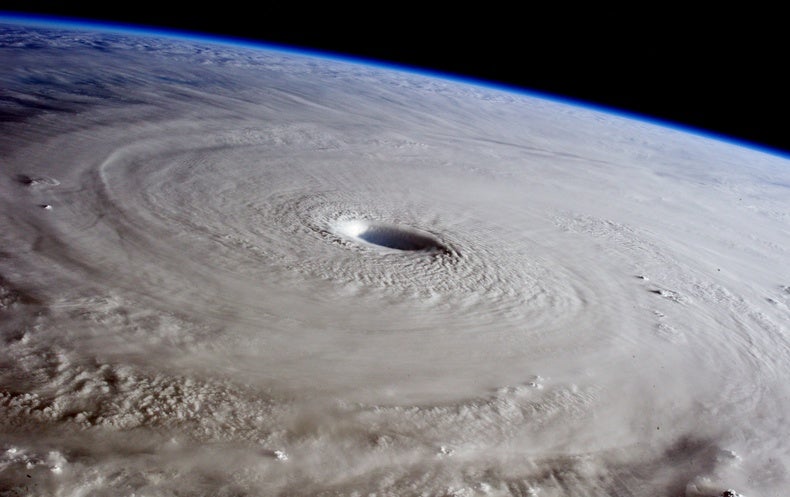
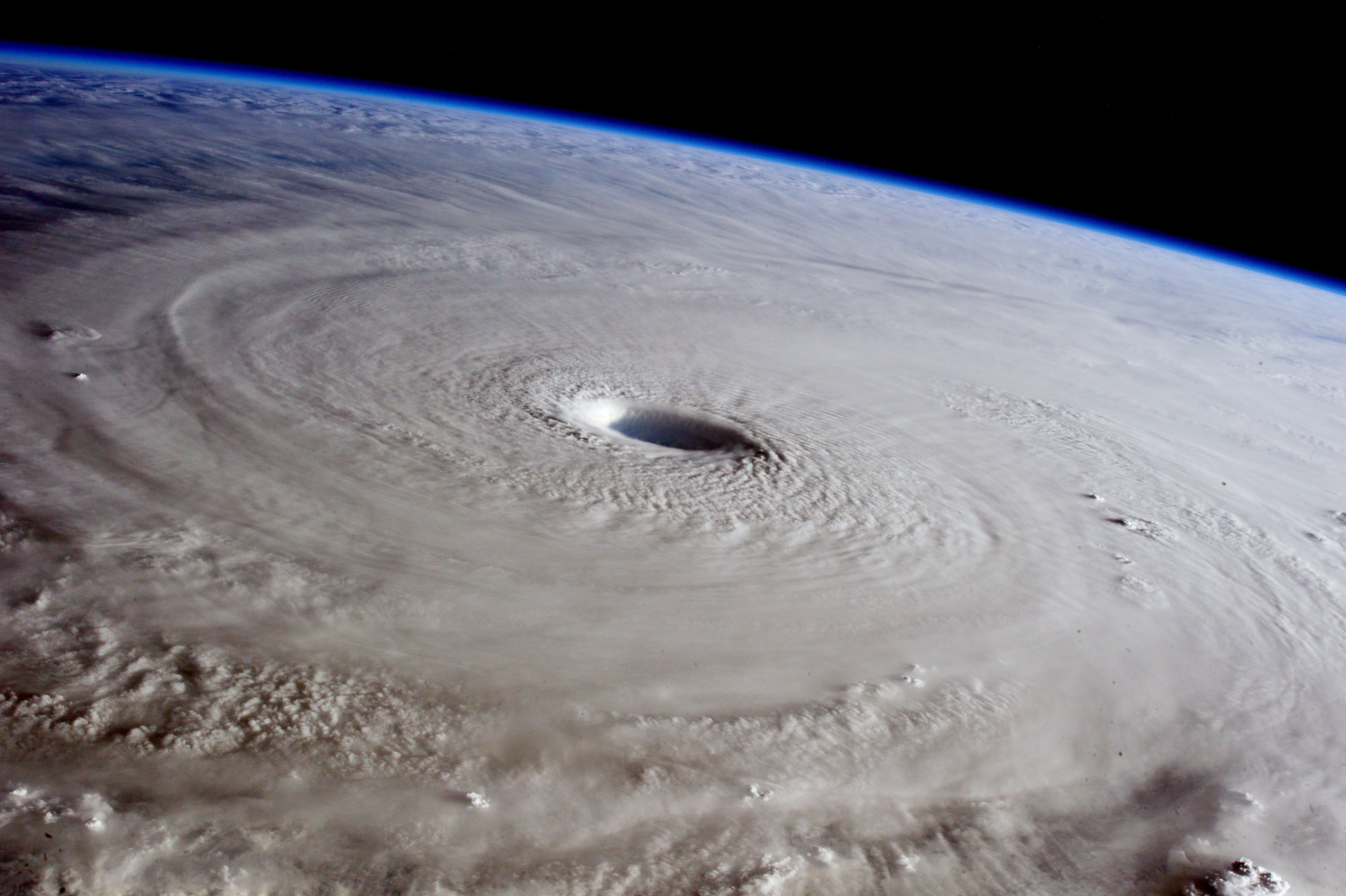
    Global warming is making the atmosphere more hostile to the formation of tropical cyclones. By the early 2010s there were about 13 percent fewer storms across all oceans than there were in the late 19th century, according to a new study published on Monday in Nature Climate Change.

    But having fewer hurricanes and typhoons does not make them less of a threat. Those that do manage to form are more likely to reach higher intensities as the world continues to heat up with the burning of fossil fuels.

    Scientists have been trying for decades to answer the question of how climate change will affect tropical cyclones, given the large-scale death and destruction these storms can cause. Climate models have suggested the number of storms should decline as global temperatures rise, but that had not been confirmed in the historical record. Detailed tropical cyclone data from satellites only go back until about the 1970s, which is not long enough to pick out trends driven by global warming.

    The new study worked around those limitations by using what is called a reanalysis: the highest-quality available observations are fed into a weather computer model. “That’s something which gets us close to what the observation would have looked like,” essentially “filling in the gaps,” says study co-author Savin Chand, an atmospheric scientist at Federation University Australia. This gives researchers a reasonably realistic picture of the atmosphere over time, in this case going back to 1850. Chand and his team developed an algorithm that could pick out tropical cyclones in that reanalysis data set, enabling them to look for trends over a 162-year period.

    They found the 13 percent global decrease in tropical cyclones over the period of 1900 to 2012, compared with 1850 to 1900 (the latter is widely considered a pre-global-warming reference period). There was an even larger decline of about 23 percent since around 1950, around the time global temperatures started to noticeably rise. The declines vary in different parts of the ocean. For example, the western North Pacific saw 9 percent fewer storms, and the eastern North Pacific saw 18 percent fewer over the 20th and early 21st centuries. And the North Atlantic results indicated a peculiar trend, showing an overall decrease over the past century—but with an uptick in recent decades. That shorter-term increase could be linked to natural climate variations, better detection of storms or a decrease in aerosol pollution (because aerosols have a cooling effect, and tropical cyclones thrive on warm waters).

    The study provides crucial ground-truth information for evaluating climate model projections of further future changes in cyclone frequency, says Kimberly Wood, a tropical meteorologist at Mississippi State University, who was not involved with the paper.

    Chand and his colleagues link the decrease in tropical storm frequency to changes in atmospheric conditions that constrict convection—the process where warm, moist air surges upward in the atmosphere, which allows tropical cyclones to develop from small weather disturbances that act as the “seeds.” The researchers think those changes are caused by warming-driven shifts in global atmospheric circulation patterns. “It’s a pretty holistic view,” Wood says of the analysis.

    But even if there are fewer tropical cyclones overall, a larger proportion of those that do form are expected to reach higher intensities because global warming is also raising sea-surface temperatures and making the atmosphere warmer and moister—the conditions these storms thrive on. “Once a tropical cyclone forms,” Chand says, “there is a lot of fuel in the atmosphere.”

    [ad_2]

    Original Source Link

    Share. Facebook Twitter Pinterest LinkedIn WhatsApp Email Reddit Telegram
    Previous ArticleFirst Movie Made in Ukraine Since War – The Hollywood Reporter
    Next Article Updated Apple CarPlay Hack Now Works on All Tesla Models, Here’s a Hands-On Look

    RELATED POSTS

    Voyager 1 Beat the Odds and Is Still Working a Light-Day Away From Earth

    November 18, 2026

    The Dark Side of the Moon Was the Brightest Part of 2026

    November 17, 2026

    Just 400 US Data Centers Use More Electricity Than Michigan

    November 16, 2026

    The EPAs Chemical-Detecting Plane Isnt Doing Its Job Anymore

    November 16, 2026

    Its Getting Too Dry for Even Cactuses to Survive

    November 15, 2026

    New Species of Giant Fungus Discovered in China Grows up to 20 Inches Tall

    November 15, 2026
    latest posts

    Why data centers are at the center of the Big Tech backlash | TechCrunch

    In his new book “Hyperscale,” journalist Paris Marx investigates the impact of data centers and…

    Prince Fleet Easton Guests On “If These Walls Could Talk” With Hosts Wendy Stuart and Tym Moss Wednesday, November 25th, 2026

    November 22, 2026

    Faced with influx, prosecutor in Washington says he lacks resources to defend immigration cases

    November 22, 2026

    We lead MITs FutureTech program on the economics of AI: Dont ask if AI can do the job, ask how much it costs | Fortune

    November 22, 2026

    Heres Where to Watch the Miami Dolphins vs. Buffalo Bills Game Live Online

    November 22, 2026

    Senate advances sweeping energy legislation in first major action since midterm elections

    November 22, 2026

    The Expedia breach shows why companies must stop holding data they do not need | Fortune

    November 22, 2026
    Categories
    • Books (1,623)
    • Business (6,528)
    • Cover Story (18)
    • Film (6,462)
    • Lifestyle (4,502)
    • Music (6,538)
    • Politics (6,514)
    • Science (5,868)
    • Technology (6,466)
    • Television (6,160)
    • Uncategorized (3)
    • US News (6,511)
    popular posts

    Why are Losers the Favorites? – Margins of Error

    [ad_1] All right, let’s start off simple, Mr. Hayseed, Neil Paine. I’m going to ask…

    What to Watch: Blood & Treasure, Virgin River, The Last Movie Stars

    July 16, 2022

    What Happened To Ben? Every Theory Explained

    June 21, 2022

    Rare species of rodent captured on West Virginia trail camera

    April 16, 2024
    Archives
    Browse By Category
    • Books (1,623)
    • Business (6,528)
    • Cover Story (18)
    • Film (6,462)
    • Lifestyle (4,502)
    • Music (6,538)
    • Politics (6,514)
    • Science (5,868)
    • Technology (6,466)
    • Television (6,160)
    • Uncategorized (3)
    • US News (6,511)
    About Us

    We are a creativity led international team with a digital soul. Our work is a custom built by the storytellers and strategists with a flair for exploiting the latest advancements in media and technology.

    Most of all, we stand behind our ideas and believe in creativity as the most powerful force in business.

    What makes us Different

    We care. We collaborate. We do great work. And we do it with a smile, because we’re pretty damn excited to do what we do. If you would like details on what else we can do visit out Contact page.

    Our Picks

    Senate advances sweeping energy legislation in first major action since midterm elections

    November 22, 2026

    The Expedia breach shows why companies must stop holding data they do not need | Fortune

    November 22, 2026

    You Can See Everything review – stranger than fiction

    November 22, 2026
    © 2026 Beverly Hills Examiner. All rights reserved. All articles, images, product names, logos, and brands are property of their respective owners. All company, product and service names used in this website are for identification purposes only. Use of these names, logos, and brands does not imply endorsement unless specified. By using this site, you agree to the Terms & Conditions and Privacy Policy.

    Type above and press Enter to search. Press Esc to cancel.

    We use cookies on our website to give you the most relevant experience by remembering your preferences and repeat visits. By clicking “Accept All”, you consent to the use of ALL the cookies. However, you may visit "Cookie Settings" to provide a controlled consent.
    Cookie SettingsAccept All
    Manage consent

    Privacy Overview

    This website uses cookies to improve your experience while you navigate through the website. Out of these, the cookies that are categorized as necessary are stored on your browser as they are essential for the working of basic functionalities of the website. We also use third-party cookies that help us analyze and understand how you use this website. These cookies will be stored in your browser only with your consent. You also have the option to opt-out of these cookies. But opting out of some of these cookies may affect your browsing experience.
    Necessary
    Always Enabled
    Necessary cookies are absolutely essential for the website to function properly. These cookies ensure basic functionalities and security features of the website, anonymously.
    CookieDurationDescription
    cookielawinfo-checkbox-analytics11 monthsThis cookie is set by GDPR Cookie Consent plugin. The cookie is used to store the user consent for the cookies in the category "Analytics".
    cookielawinfo-checkbox-functional11 monthsThe cookie is set by GDPR cookie consent to record the user consent for the cookies in the category "Functional".
    cookielawinfo-checkbox-necessary11 monthsThis cookie is set by GDPR Cookie Consent plugin. The cookies is used to store the user consent for the cookies in the category "Necessary".
    cookielawinfo-checkbox-others11 monthsThis cookie is set by GDPR Cookie Consent plugin. The cookie is used to store the user consent for the cookies in the category "Other.
    cookielawinfo-checkbox-performance11 monthsThis cookie is set by GDPR Cookie Consent plugin. The cookie is used to store the user consent for the cookies in the category "Performance".
    viewed_cookie_policy11 monthsThe cookie is set by the GDPR Cookie Consent plugin and is used to store whether or not user has consented to the use of cookies. It does not store any personal data.
    Functional
    Functional cookies help to perform certain functionalities like sharing the content of the website on social media platforms, collect feedbacks, and other third-party features.
    Performance
    Performance cookies are used to understand and analyze the key performance indexes of the website which helps in delivering a better user experience for the visitors.
    Analytics
    Analytical cookies are used to understand how visitors interact with the website. These cookies help provide information on metrics the number of visitors, bounce rate, traffic source, etc.
    Advertisement
    Advertisement cookies are used to provide visitors with relevant ads and marketing campaigns. These cookies track visitors across websites and collect information to provide customized ads.
    Others
    Other uncategorized cookies are those that are being analyzed and have not been classified into a category as yet.
    SAVE & ACCEPT