
Close Menu
Beverly Hills Examiner

    Subscribe to Updates

    Get the latest creative news from FooBar about art, design and business.

    What's Hot

    Alex Warren On New Album ‘Wild Child,’ Grief & Success of ‘Ordinary’

    August 26, 2026

    The $40 trillion national debt and the bond market’s revolt: how we got into this mess

    August 26, 2026

    Classic Hit Celebrates 58 Years Since Release

    August 26, 2026
    Facebook X (Twitter) Instagram
    Beverly Hills Examiner
    • Home
    • US News
    • Politics
    • Business
    • Science
    • Technology
    • Lifestyle
    • Music
    • Television
    • Film
    • Books
    • Contact
      • About
      • Amazon Disclaimer
      • DMCA / Copyrights Disclaimer
      • Terms and Conditions
      • Privacy Policy
    Beverly Hills Examiner
    Home»Science»How to Keep Muscles Strong as You Age
    Science

    How to Keep Muscles Strong as You Age

    By AdminJuly 2, 2023
    Facebook Twitter Pinterest LinkedIn WhatsApp Email Reddit Telegram
    How to Keep Muscles Strong as You Age


    How to Keep Muscles Strong as You Age

    Almost everyone shrinks with old age. Many older adults have more difficulty gaining muscle than they did in their childhood and teenage years. And when it comes to maintaining that muscle, the phrase “use it or lose it” holds weight, says Michelle Gray, a physiologist and professor of exercise at the University of Arkansas.

    “I work primarily with older adults who are trying to either build and/or maintain muscle throughout their life span, and really how that happens is you use it or lose it,” Gray says.

    But she adds that not all hope is lost. “It really is the neurology, as well as the muscular system and the interactions between the two, that changes,” she says. “There’s a fair amount of evidence that says all of those things are still there and [that] we can retrain them.”

    Several factors contribute to involuntary age-related muscle loss. The exact age people start to see muscle mass decline varies, Gray says, but many begin to see noticeable changes in their 30s. Studies suggest that muscle mass decreases by about 3 to 8 percent per decade after age 30 and at higher rates after age 60. Losing that strength may not only be frustrating in keeping up with daily activities but can also have significant health consequences.

    “If you look at who’s shrinking, and how much they’re shrinking, it predicts really important stuff, like how long you’re going to live, how vulnerable you are to getting sick and having to be in the hospital, how likely you are to develop problems taking care of yourself,” says Stephanie Studenski, a geriatrician and professor emeritus at the University of Pittsburgh.

    Changes in Muscle Tissue and Cells

    Muscle is a dynamic tissue, Studenski explains. “Your whole life, there’s turnover. We’re growing new muscle and breaking down old muscle all the time,” she says.

    There are three main types of muscle tissue: smooth muscle lines the gut wall and organs, except the heart; cardiac muscle is striated and covers the heart; and skeletal muscle, which can be found in the arms and legs, is also striated. Skeletal muscle is often the kind that’s assessed for sarcopenia, a type of muscular atrophy in which age-related loss of muscle and strength is accelerated. Sarcopenia was classified as a disease in 2016. Muscle tissue is made up of long, slim fibers, each one containing a single muscle cell. The cells produce specific proteins—actin and myosin—that cause muscles to contract and relax like rubber bands at different speeds. But as we age, there is a decline in the overall number of muscle cells—along with mitochondria, which are essential for producing and storing energy in muscle. Mutations build up over time in the cells, sometimes causing the production of defunct proteins, which makes those rubber bands overstretched or less snappy, Studenski says.

    Faulty muscle proteins and mitochondria, along with some other changes with age, have been linked to the impairment of the connection between muscles and the nervous system, called the neuromuscular junction. This junction between motor nerves and muscle tissue is where brain signals are transmitted for muscle contraction and movement. Issues in communication between nerves and muscles can create weakness and a decline in muscle mass.

    Changes in hormone levels are also linked to age-related muscle loss. The gradual decrease in testosterone we experience as we age, for example, can lead to a decrease in the production of muscle proteins. Poor diet and malnutrition also influence muscle loss—generally, appetite and food intake tend to decrease with age.

    Physical Activity and Exercise

    Though natural aging plays a dominant role in sarcopenia, lack of physical activity also contributes to the loss of muscle mass. As people age, they tend to become less active, Gray says. “There are some disease processes that occur [that cause muscle loss], but in a healthy adult who is aging, it really is a decrease in physical activity throughout the life span which is driving that negative change in muscle mass,” she says.

    Sedentary or less active lifestyles don’t always lead to muscle loss in older adults, but movement and exercise influence muscle size and strength. Just a short break in muscle use can cause a reduction in muscle mass, even in younger people.

    Proper diet and physical activity can combat some age-related muscle loss, Gray says. Maintaining muscle comes down to continued movement. “Doesn’t matter if you garden or if you ride a bicycle like I do or if you go to the gym,” she says. “You can help maintain your muscle mass by continuing to do the things that you’re already doing.”

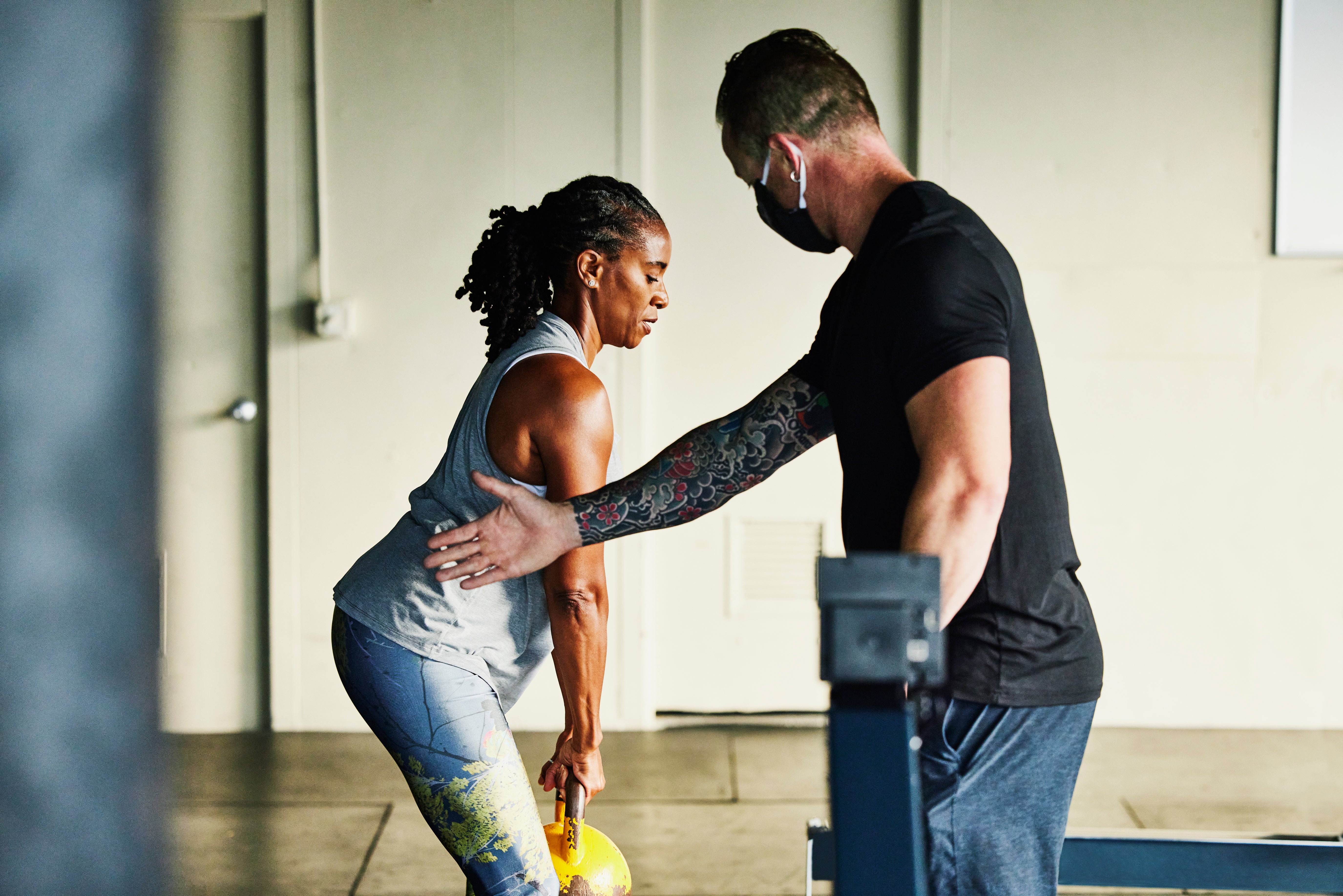
    Research over the decades have shown that resistance training in older adults can help to increase muscle mass. Several types of resistance training and exercises can help older adults, but Gray recommends high-velocity resistance-training programs. High-velocity resistance training targets muscle power (lifting weight quickly) in addition to strength (lifting a heavier weight). Typically, high-velocity training is practiced among athletes, such as football players, but Gray says basic exercises, such as power chair stands, leg lifts and triceps extensions, can also help older adults perform daily life activities.

    “I’m not saying that our older adults need to be linebackers. But think about walking very quickly. Once in a while, I catch my foot on the tile going down the hallway, and I stumble,” she says. “I do kind of trip, but I don’t fall. The reason I don’t fall is twofold: I’m fast enough to be able to get my foot out in front of me, and I’m strong enough to be able to hold my own body weight.” If one of those two things is lost, you’ll fall, she says.

    Muscle loss is a common contributor to severe falls and accidents that lead to injury or physical disability in older adults. Low muscle mass from sarcopenia can impact how well individuals can cope with cancer treatment, surgeries and heart and lung problems, Studenski says. It’s why understanding the causes of muscle loss and keeping up with regular activity is important as we age, Gray says. Remember, bulk isn’t everything, she adds. Even if people don’t notice muscle mass gains through resistance training at first, “you actually get stronger long before your muscles get bigger,” Studenski says. “That exercise is doing something to the wiring to the nervous system connection to the muscle.”

    Gray and Studenski say that focusing on reinforcing that “wiring” is more important than muscle size. The foundation is key to improving basic physical functions people need to take of themselves independently, Gray says.

    “Even if an older adult who I have trained doesn’t improve muscle mass, but they’re able to walk faster, climb stairs faster, get in and out of the car easier, go on hikes with their grandkids, they have an increase in quality of life,” Gray says. “That part is the most important to me.”


    Original Source Link

    Share. Facebook Twitter Pinterest LinkedIn WhatsApp Email Reddit Telegram
    Previous ArticleRise Of The Beasts’ Box Office Tumble Makes Us Concerned About Transformers’ Next 2 Movies
    Next Article 12 Best Amazon Echo and Alexa Speakers (2023): Earbuds, Soundbars, Displays

    RELATED POSTS

    A Mutation Is Making It Easier for Drug-Resistant Malaria to Spread

    August 26, 2026

    Elon Musk’s SpaceX to expand beyond Texas Starbase with new Louisiana spaceport dedicated to Starship

    August 26, 2026

    Border Wall Construction Threatens 6,000 Years of History on Private Lands

    August 25, 2026

    ‘Extreme’ wildfire sweeps Nevada as U.S. tallies almost 51,000 wildfires so far this year

    August 25, 2026

    NASA’s New Space Telescope Is Poised to Discover Hidden Facets of the Universe

    August 24, 2026

    How “thunderquakes” could help reveal hidden structures inside the Earth

    August 24, 2026
    latest posts

    Alex Warren On New Album ‘Wild Child,’ Grief & Success of ‘Ordinary’

    Alex Warren opens up about the stories behind his new album Wild Child in this…

    The $40 trillion national debt and the bond market’s revolt: how we got into this mess

    August 26, 2026

    Classic Hit Celebrates 58 Years Since Release

    August 26, 2026

    Seven-year-old boy forced to hike Mt. Fuji alone after dad, older brother abandon him

    August 26, 2026

    Ex-Meta scientists want to bring visual AI to the factory floor

    August 26, 2026

    A Mutation Is Making It Easier for Drug-Resistant Malaria to Spread

    August 26, 2026

    Apple TV’s New Action Movie Hailed As “Best” Of The Year In First Reactions

    August 26, 2026
    Categories
    • Books (1,449)
    • Business (6,353)
    • Cover Story (9)
    • Film (6,292)
    • Lifestyle (4,351)
    • Music (6,363)
    • Politics (6,337)
    • Science (5,703)
    • Technology (6,288)
    • Television (5,985)
    • Uncategorized (3)
    • US News (6,338)
    popular posts

    Medicare’s new payment model is built for AI, and most of the tech world has no idea

    Neil Batlivala has spent seven years building a healthcare company that most of the tech…

    10 Amazing Solo Projects by Members of Beloved ’90s Bands

    November 17, 2024

    Lizzo Removes Ableist Slur from New Single “Grrrls”

    June 14, 2022

    Paedon Brown’s Racy New Job Explained

    February 19, 2025
    Archives
    Browse By Category
    • Books (1,449)
    • Business (6,353)
    • Cover Story (9)
    • Film (6,292)
    • Lifestyle (4,351)
    • Music (6,363)
    • Politics (6,337)
    • Science (5,703)
    • Technology (6,288)
    • Television (5,985)
    • Uncategorized (3)
    • US News (6,338)
    About Us

    We are a creativity led international team with a digital soul. Our work is a custom built by the storytellers and strategists with a flair for exploiting the latest advancements in media and technology.

    Most of all, we stand behind our ideas and believe in creativity as the most powerful force in business.

    What makes us Different

    We care. We collaborate. We do great work. And we do it with a smile, because we’re pretty damn excited to do what we do. If you would like details on what else we can do visit out Contact page.

    Our Picks

    A Mutation Is Making It Easier for Drug-Resistant Malaria to Spread

    August 26, 2026

    Apple TV’s New Action Movie Hailed As “Best” Of The Year In First Reactions

    August 26, 2026

    Countertop Materials Compared on Heat, Stains and Scratches

    August 26, 2026
    © 2026 Beverly Hills Examiner. All rights reserved. All articles, images, product names, logos, and brands are property of their respective owners. All company, product and service names used in this website are for identification purposes only. Use of these names, logos, and brands does not imply endorsement unless specified. By using this site, you agree to the Terms & Conditions and Privacy Policy.

    Type above and press Enter to search. Press Esc to cancel.

    We use cookies on our website to give you the most relevant experience by remembering your preferences and repeat visits. By clicking “Accept All”, you consent to the use of ALL the cookies. However, you may visit "Cookie Settings" to provide a controlled consent.
    Cookie SettingsAccept All
    Manage consent

    Privacy Overview

    This website uses cookies to improve your experience while you navigate through the website. Out of these, the cookies that are categorized as necessary are stored on your browser as they are essential for the working of basic functionalities of the website. We also use third-party cookies that help us analyze and understand how you use this website. These cookies will be stored in your browser only with your consent. You also have the option to opt-out of these cookies. But opting out of some of these cookies may affect your browsing experience.
    Necessary
    Always Enabled
    Necessary cookies are absolutely essential for the website to function properly. These cookies ensure basic functionalities and security features of the website, anonymously.
    CookieDurationDescription
    cookielawinfo-checkbox-analytics11 monthsThis cookie is set by GDPR Cookie Consent plugin. The cookie is used to store the user consent for the cookies in the category "Analytics".
    cookielawinfo-checkbox-functional11 monthsThe cookie is set by GDPR cookie consent to record the user consent for the cookies in the category "Functional".
    cookielawinfo-checkbox-necessary11 monthsThis cookie is set by GDPR Cookie Consent plugin. The cookies is used to store the user consent for the cookies in the category "Necessary".
    cookielawinfo-checkbox-others11 monthsThis cookie is set by GDPR Cookie Consent plugin. The cookie is used to store the user consent for the cookies in the category "Other.
    cookielawinfo-checkbox-performance11 monthsThis cookie is set by GDPR Cookie Consent plugin. The cookie is used to store the user consent for the cookies in the category "Performance".
    viewed_cookie_policy11 monthsThe cookie is set by the GDPR Cookie Consent plugin and is used to store whether or not user has consented to the use of cookies. It does not store any personal data.
    Functional
    Functional cookies help to perform certain functionalities like sharing the content of the website on social media platforms, collect feedbacks, and other third-party features.
    Performance
    Performance cookies are used to understand and analyze the key performance indexes of the website which helps in delivering a better user experience for the visitors.
    Analytics
    Analytical cookies are used to understand how visitors interact with the website. These cookies help provide information on metrics the number of visitors, bounce rate, traffic source, etc.
    Advertisement
    Advertisement cookies are used to provide visitors with relevant ads and marketing campaigns. These cookies track visitors across websites and collect information to provide customized ads.
    Others
    Other uncategorized cookies are those that are being analyzed and have not been classified into a category as yet.
    SAVE & ACCEPT