How do we respond to change? Do we embrace it, deny it, carry on regardless and hope it will go away, or leave it to others to address? As individuals, many of us don’t seem to cope with change all that well. Right now, we are being told that we are in the middle of great and terrible changes to our planet. 
We are told that as a species we need to do stop warming the world. That, together, we need to reverse rising inequality. Only as one, we are reminded, can we undo our denudation of the natural world.
That we seem to be collectively struggling to address these issues, I believe, is because we are scared of change, of losing what we have, and it is far easier to bury our heads in the sand than make the hard decisions necessary to make a better world for our children.
How we respond to a changed and changing world is one of the themes I found myself exploring in my debut novel Exo – a science fiction murder mystery set on an abandoned far-future Earth in which the oceans have turned into a seductive but deadly entity, and my protagonists, who live beside it, must actively choose to avoid its annihilating temptation.
It is great fun to imagine a speculative change to the world and work out how that changed world will work. Living with a great change, or its consequences, is a great way to ask ourselves how we might respond to change in real life.
The following five books brilliantly imagine world changes that are both conventional and unconventional, showing us how we might live in such a changed world.
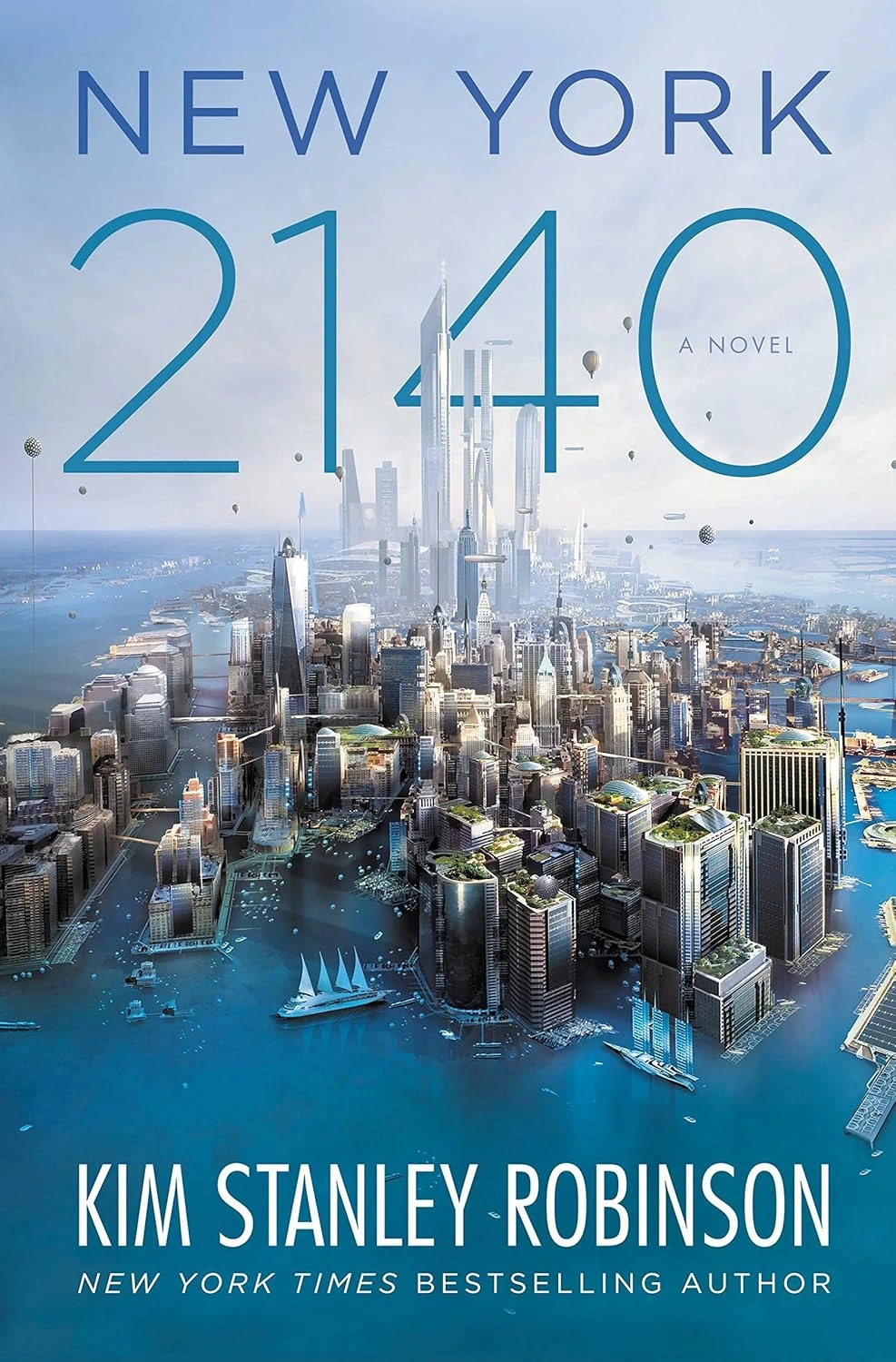
New York 2140 by Kim Stanley Robinson
In Kim Stanley Robinson’s epic New York 2140, rising sea levels mean that the streets are canyon-like canals and skyscrapers have become islands, some connected by skybridges. We follow the residents of one real-life apartment building in Madison Square as they navigate daily life in a drowned city. Semi-submerged New York is an utterly transfigured world, and Robinson gives us a hopeful portrait of a people — from the richest to the poorest, those with power to those with none — struggling to make lives after the deluge. Propelling the story along is an investigation into the disappearance of two unofficial residents and a twisty conspiracy that reaches across every aspect of this new society. Change, Robinson argues, is complicated.
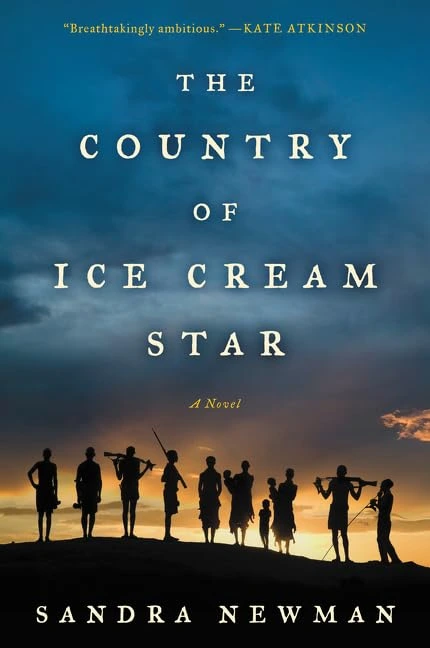
The Country of Ice Cream Star by Sandra Newman
In Sandra Newman’s The Country of Ice Cream Star, it is not the climate that changes, but us. A disease has wiped out the white populace of America and the surviving BIPOC population die of a disease called Posies before they reach 20. In effect, this is a world ruled by children. Our heroine, Ice Cream Star, is in her teens and living with her tribe, the Sengles, when her elder brother shows signs of succumbing to Posies. Unable to contemplate a life without him, she sets out on a quest to find a cure and becomes caught up in the upheaval sweeping her world. What makes this novel so extraordinary is not the story, but the language Newman has written it in. Ice Cream Star speaks a beguiling, lyrical cant. The words are recognizable, their use has shifted: “Our people be a tarry night sort, and we skinny and long.” The world has changed and so has the language to describe it.
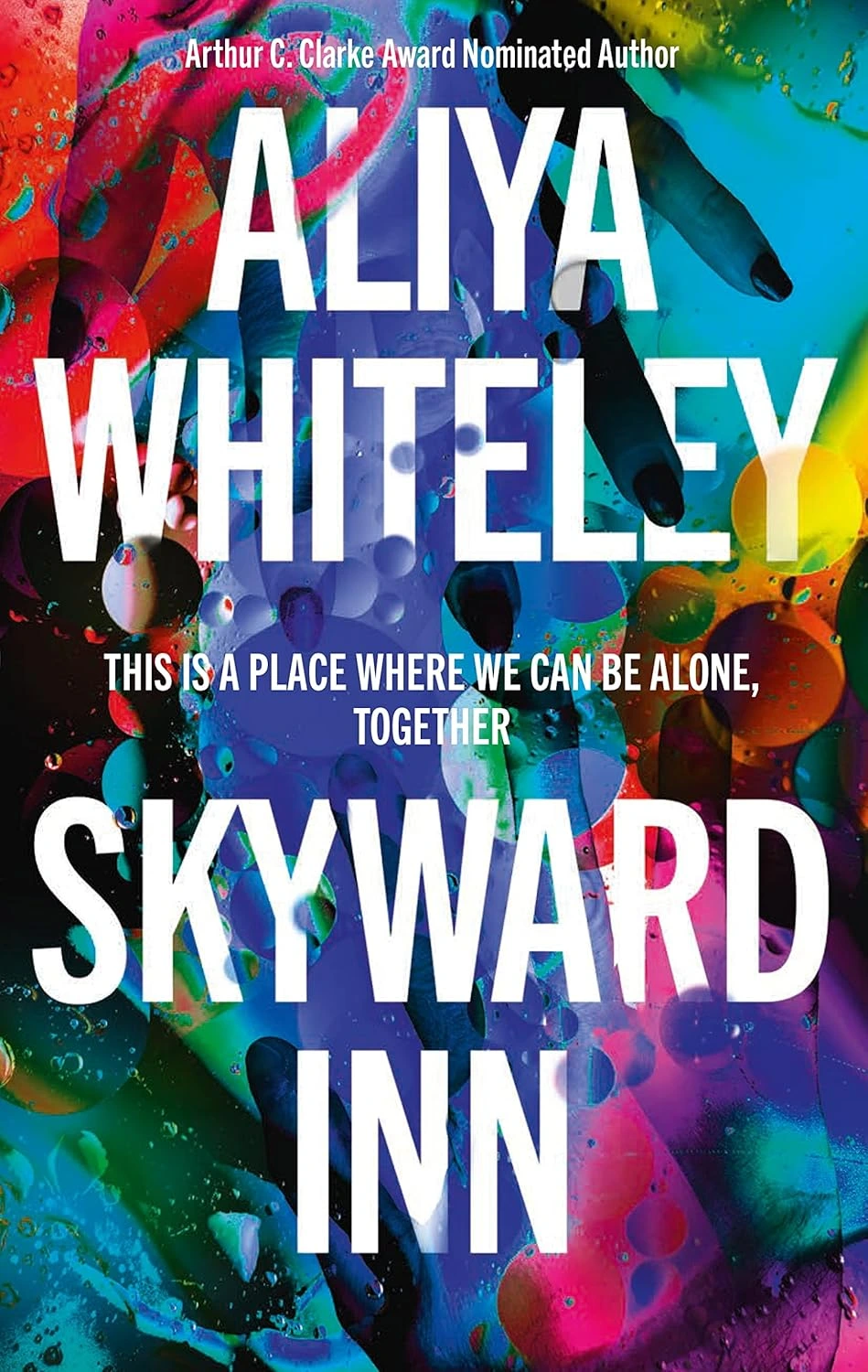
Skyward Inn by Aliya Whiteley
We’re going to skip across the Atlantic now to the UK and Aliya Whiteley’s Arthur C Clarke Award-shortlisted Skyward Inn. This is also about changed humans, but in a rather different way. In Skyward Inn, a gateway appears between Earth and the planet Qita. Unable to help ourselves, we humans rush through this door and seek to conquer and plunder Qita. The Qitans, however, immediately surrender and the story concerns two veterans of this “war” — a human woman and a Qitan — who run a bar in Devon, southwest England, serving Jarrowbrew, a Qitan drink. This is a story about the aftermath of something big and it quickly becomes clear that the winners and losers of this war aren’t anything like as clearcut as we imagine. Who is the coloniser and who is the colonised? This is a wonderful story filled with questions and not a single straightforward answer about how change flows through us.
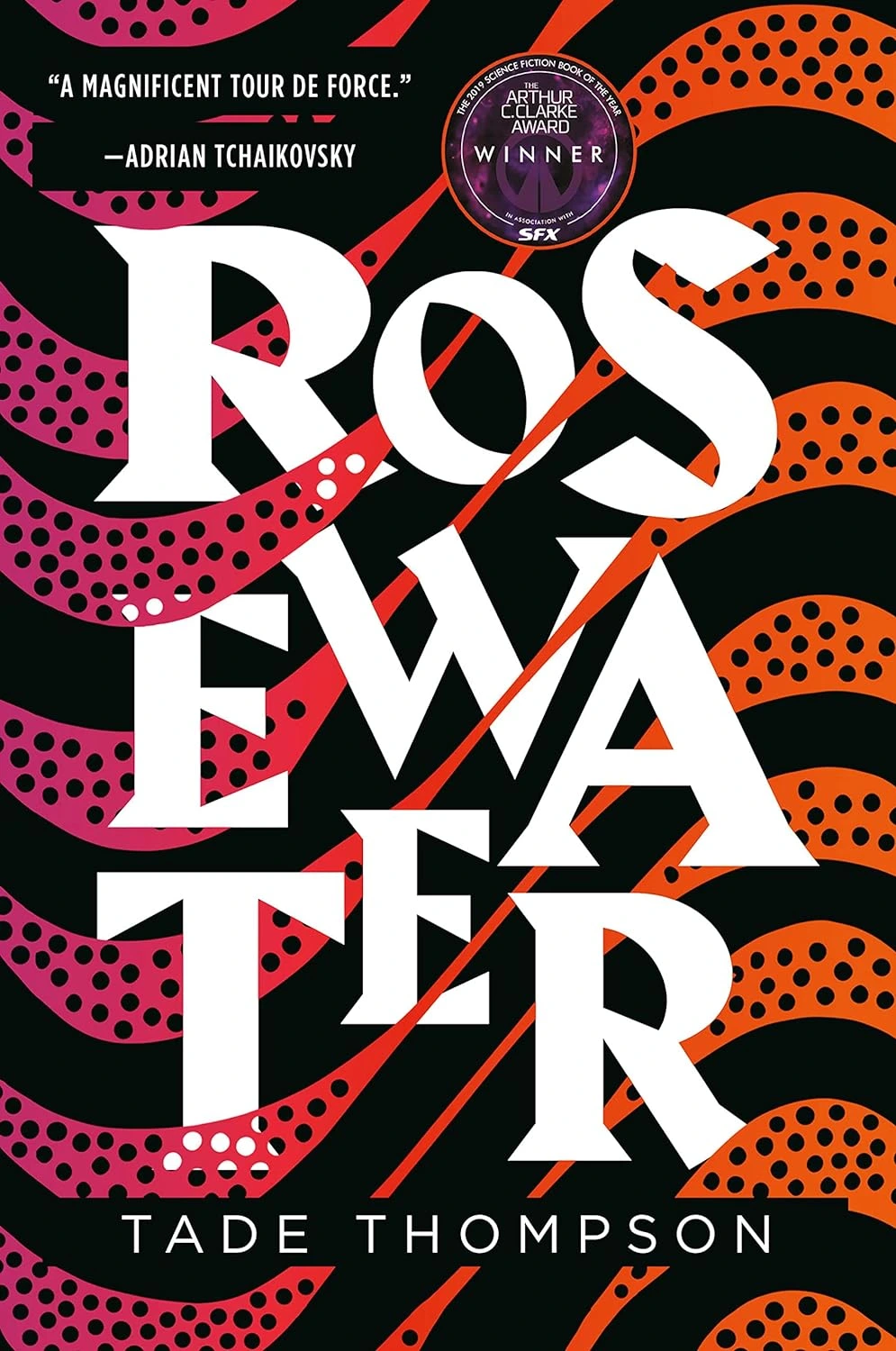
Rosewater by Tade Thompson
Now we’re headed south and we’re settling in Nigeria by way of British writer Tade Thompson’s Arthur C Clarke Award-winning Rosewater. Years after an alien presence known as Wormwood arrives in London, the US goes dark and a giant dome — Rosewater — appears in Nigeria. Once a year, this dome opens and the sick, who gather here, are healed (and, less fortuitously, the dead are raised as zombies). Wormwood releases fungal spores into the air and certain individuals find themselves with psychic abilities that can be both a boon and a curse. One such is our protagonist Kaaro, who spends much of the novel running from his abilities and those who would use him to further their ends. As Wormwood rewrites the ordering of the world, we see a society in flux, a world infected by change.
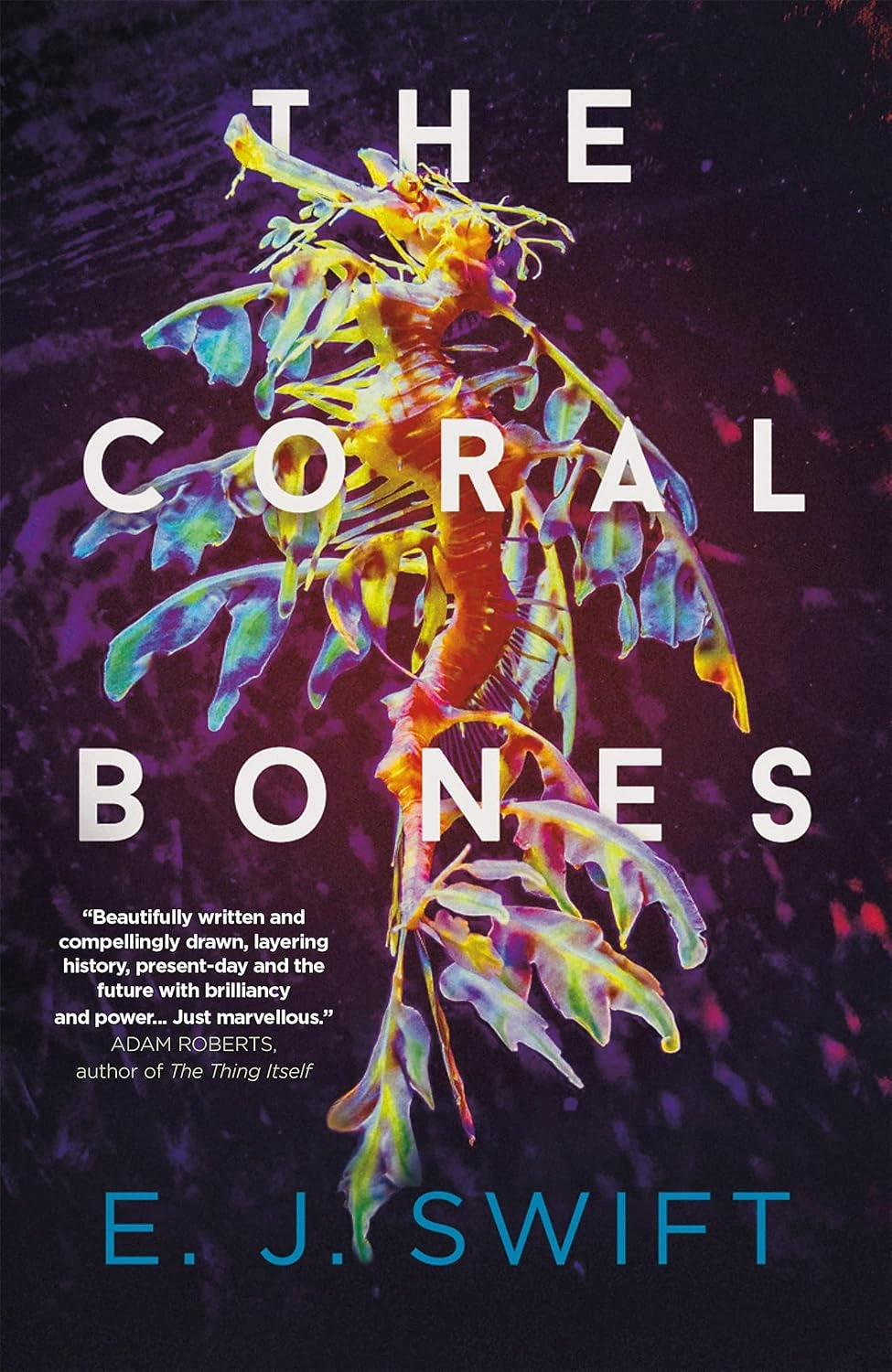
The Coral Bones by EJ Swift
EJ Swift’s Arthur C Clarke Award-shortlisted The Coral Bones takes us further south still, to Australia. This novel explores our responses to climate change by slicing it up into three distinct time periods — past, present and future — to tell a story that shows us how change sweeps over the natural and human world over the course of hundreds of years. From the 1830s to the 22nd century, three women make discoveries about Australia’s coral reefs that echo and resonate across time, allowing us to see what we’ve lost, what we’re losing and, ultimately, what is at stake.
When you are caught up in something stretching across vast swathes of both time and space, it is hard, if not impossible, to grasp it individually. Only by working together can we as a species collectively see these effects and so respond to them.