
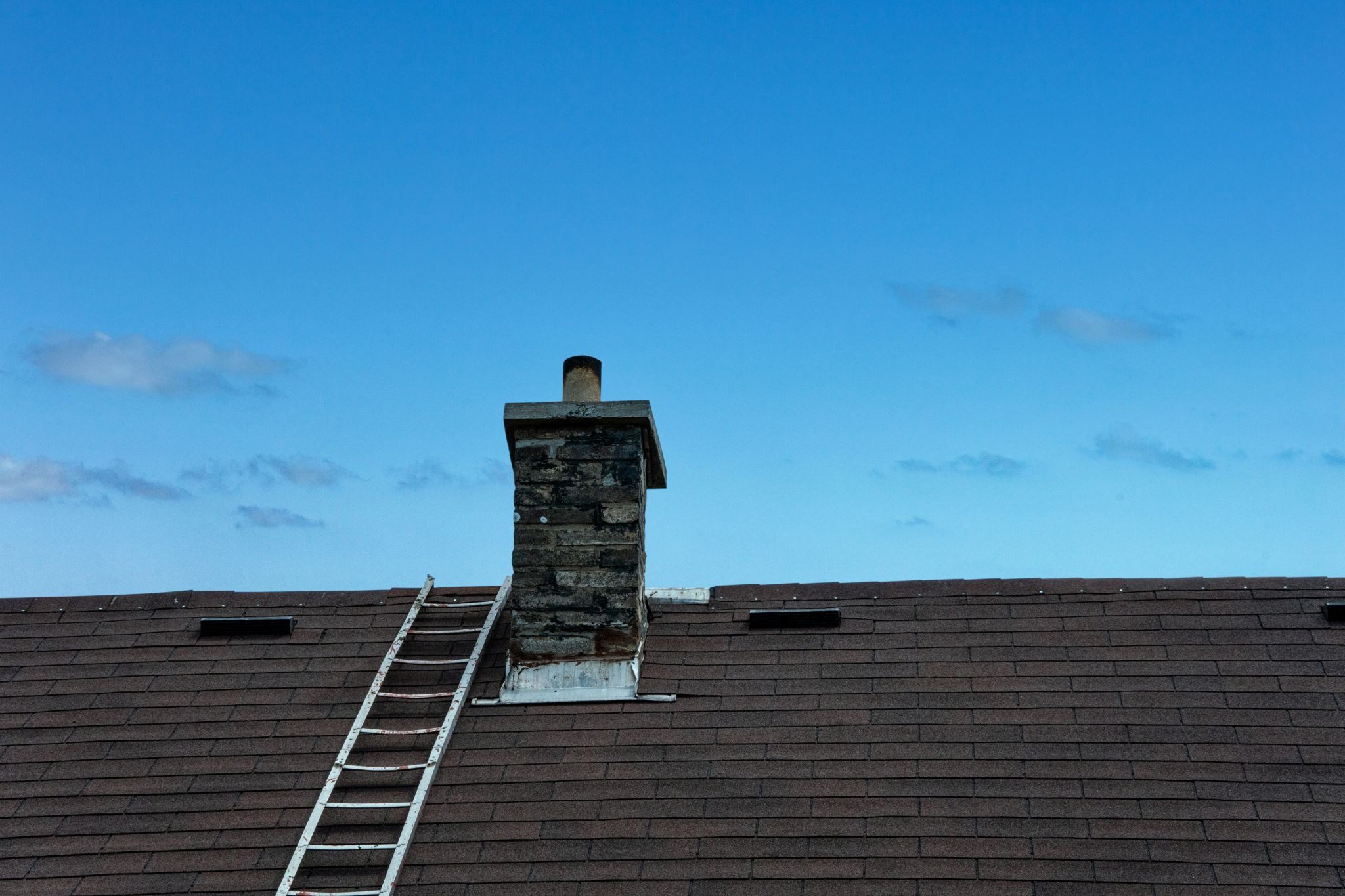
Most homeowners think about their chimney only when temperatures drop and fireplaces come back into use. During the summer months, it often becomes an afterthought, overshadowed by air conditioners, ceiling fans, and outdoor maintenance projects. Yet even when no fire is burning, your chimney continues to play an important role in how air moves throughout your home.
Understanding this hidden function begins with a concept known as the chimney effect, a natural process that influences ventilation, indoor comfort, and moisture control throughout the year. While the science behind it is relatively simple, many homeowners never realize how much this unseen airflow can affect the health and efficiency of their home.
A House Is Constantly Moving Air
Homes are not sealed environments. Air is constantly entering and leaving through doors, windows, vents, and small openings throughout the structure. Temperature differences inside and outside the home create pressure changes that keep this air moving.
One of the biggest contributors to this natural circulation is the chimney.
Engineers describe this process as the chimney effect, where warm, lighter air naturally rises while cooler, denser air moves in to replace it. This continuous exchange helps explain why air moves through a house even when no heating or cooling equipment is operating.
Although most people associate chimneys with removing smoke from a fireplace, they are also part of a home’s overall ventilation system. Depending on the season, weather conditions, and the condition of the chimney itself, this airflow can either work as intended or begin creating unexpected problems.
Why Summer Changes the Way Your Chimney Works
During the winter, warm air generated inside the home naturally rises and exits through the chimney when a fireplace or heating appliance is operating. Summer introduces a different set of conditions.
Higher outdoor temperatures, increased humidity, and changing air pressure can alter the normal movement of air. Instead of carrying air upward efficiently, these conditions may slow airflow or even reverse it temporarily, allowing odors and moisture to move back into the home.
This is why many homeowners notice unpleasant smells coming from their fireplace during the hottest months of the year, even though they have not used it for months.
The chimney itself is not creating these odors. Rather, changing airflow is carrying existing smells from inside the chimney into living spaces.
When Airflow Stops Working the Way It Should
Changes in airflow are often subtle at first. A musty smell near the fireplace or a slight increase in humidity may not seem connected to the chimney at all.
However, poor ventilation can sometimes signal larger issues developing inside the system.
Moisture can become trapped within masonry materials. Debris or animal nests may partially obstruct airflow. Creosote left behind from previous burning seasons can produce stronger odors when exposed to warm, humid air. Small structural defects may also allow unwanted air movement that reduces the chimney’s ability to ventilate properly.
Because these problems usually develop gradually, homeowners often assume they are simply part of living in an older house or the result of changing weather.
Why Many Problems Go Unnoticed
Unlike a leaking roof or a broken air conditioner, chimney problems rarely announce themselves with an immediate failure. Instead, small changes accumulate over time.
Airflow becomes less efficient. Moisture slowly damages masonry. Odors become more noticeable each summer. Minor deterioration can continue for months or years before visible damage finally appears.
This gradual progression makes chimneys one of the easiest home systems to overlook. Since the fireplace is not being used during warm weather, many homeowners assume the entire system is inactive.
In reality, the chimney continues responding to outdoor temperature, humidity, and pressure changes every day.
Looking Beyond the Fireplace
Understanding the chimney as a ventilation system rather than simply a fireplace feature changes how homeowners approach maintenance.
Routine inspections are not only about preparing for winter fires. They also provide an opportunity to identify blocked flues, moisture intrusion, deteriorating masonry, and airflow problems before they develop into more expensive repairs.
Companies such as Chimney Scientists, led by CEO Joe Ochal, encourage homeowners to think about chimney maintenance as part of their overall home care strategy, recognizing that the system continues working throughout every season, even when no fire is burning.
An Invisible System Worth Understanding
Many of the most important systems inside a home operate quietly in the background. Plumbing carries water where it needs to go. Electrical wiring powers everyday life. Ventilation systems continuously move air to help maintain comfort and safety.
The chimney belongs on that list.
While homeowners may only see the fireplace, the structure behind it remains an active part of how a house breathes throughout the year. Understanding how airflow naturally moves through the home and recognizing when that process is interrupted can help prevent moisture problems, improve indoor comfort, and identify maintenance needs before they become costly surprises.