
Close Menu
Beverly Hills Examiner

    Subscribe to Updates

    Get the latest creative news from FooBar about art, design and business.

    What's Hot

    Zach Bryan Wears ‘Free Palestine’ Shirt at Gillette Stadium

    October 3, 2026

    Mark Ruffalo: Paramount’s Warner Bros. deal ‘Will stifle creativity, weaken free speech’

    October 3, 2026

    Suburban High School Football Teams Shine in Week 7

    October 3, 2026
    Facebook X (Twitter) Instagram
    Beverly Hills Examiner
    • Home
    • US News
    • Politics
    • Business
    • Science
    • Technology
    • Lifestyle
    • Music
    • Television
    • Film
    • Books
    • Contact
      • About
      • Amazon Disclaimer
      • DMCA / Copyrights Disclaimer
      • Terms and Conditions
      • Privacy Policy
    Beverly Hills Examiner
    Home»Science»Ancient Women’s Teeth Reveal Origins of 14-Century Black Death
    Science

    Ancient Women’s Teeth Reveal Origins of 14-Century Black Death

    By AdminJune 15, 2022
    Facebook Twitter Pinterest LinkedIn WhatsApp Email Reddit Telegram
    Ancient Women’s Teeth Reveal Origins of 14-Century Black Death


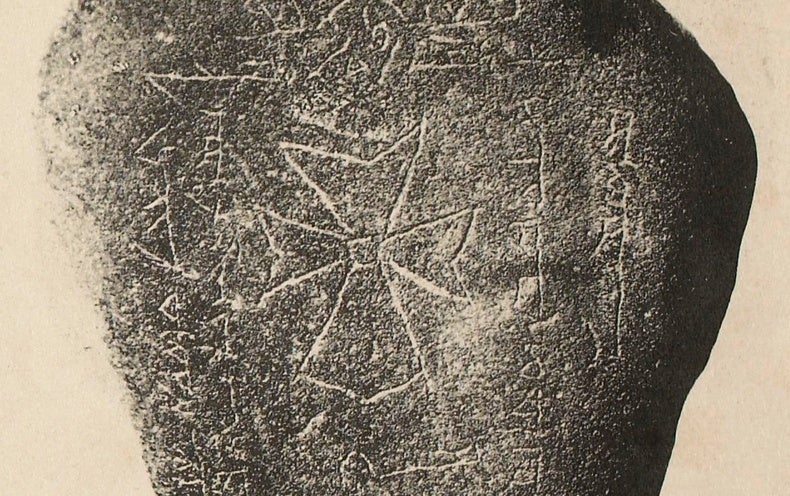
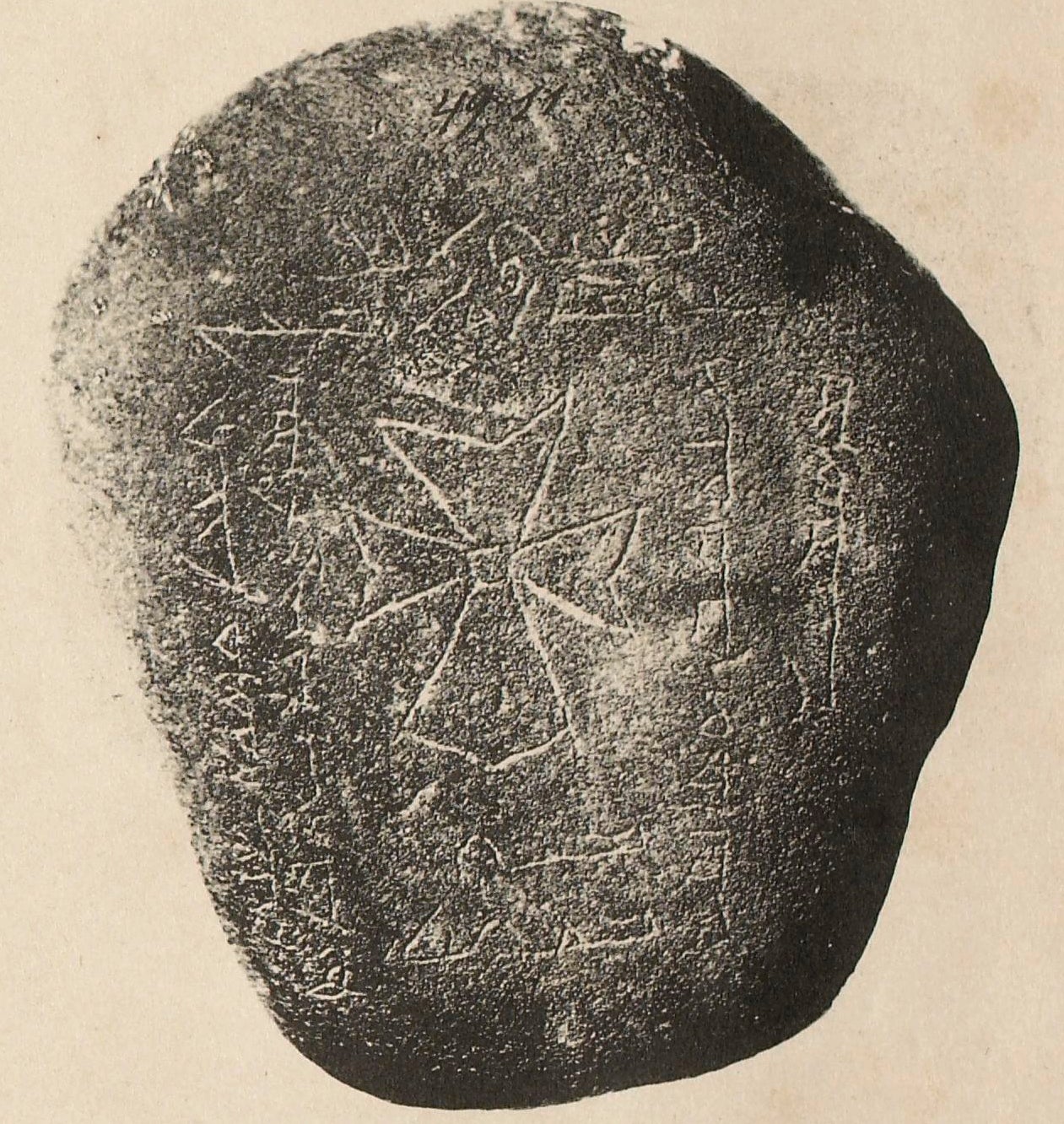
    In 1338 or 1339 “Bačaq, a faithful woman” in her 40s who stood just four feet, eight inches, died and was buried in the Kara-Djigach cemetery, about seven miles outside Bishkek, the capital of what is now Kyrgyzstan. Her tombstone was inscribed in Syriac, an Aramaic dialect. She was one of 114 people buried there during those two years—who accounted for one quarter of all the cemetery’s burials while it was in operation from 1245 to 1345. Bačaq’s tombstone does not mention a cause of death, but other 1338–1339 tombstones do: mawtānā, or pestilence. Today it is called plague.

    Bačaq’s teeth, as well as those of another woman buried nearby, have now yielded genomic evidence of what researchers suggest is the ancestral strain of the Yersinia pestis bacterium responsible for the 14th-century Black Death pandemic, according to a study published on Wednesday in Nature. The paper also points to this region as the source of that notorious plague, which killed at least an estimated 30 to 60 percent of Europe’s population in a handful of years.

    Various regions in Asia have been proposed as the origin of this second plague pandemic—the first being the sixth-century Justinian plague, which historian Procopius claimed killed 10,000 people a day in Constantinople and weakened the Eastern Roman Empire. But virtually all of the genetic and historical data on the second plague has so far come from Europe, says paleontologist and study co-author Maria Spyrou of Germany’s University of Tübingen. “It gave us a very sort of Eurocentric focus on what really happened,” she says. The remains examined in the new study are “the only archaeological evidence that we know of that is present outside of western Eurasia or outside of Europe.”

    The study analyzed the teeth of five women and two men whom archaeologist Nikolay Pantusov exhumed in the late 19th century from the cemetery in Kara-Djigach and another in the village of Burana, about 35 miles east. Their skulls had been stored in the Peter the Great Museum of Anthropology and Ethnography (Kunstkamera) in Saint Petersburg, Russia.

    The researchers extracted Y. pestis DNA from tissues inside two of the women’s teeth and sequenced the genomes of those pathogens, which were found to be identical. The teeth of a woman who died in her 50s also revealed Y. pestis DNA, but it was too degraded for a high-quality genomic reconstruction, and no plague DNA was recovered from the teeth of the other individuals.

    Next, the scientists compared the recovered Y. pestis strain with 203 modern and 47 historical genomes of the species. The strain they found appears to be the ancestor of Y. pestis strains that evolved around this time in a so-called diversification event, which has long been thought to be linked to the beginning of the second pandemic. These strains have been recorded from the remains of plague victims in Europe, and they are found across the world even today in generally less virulent forms.

    Because the newly recovered strain resembles modern ones found in animals in the region, Spyrou and her colleagues suggest it originated in the nearby Tian Shan mountain region on the border of Kyrgyzstan and China, when the bacterium jumped from rodent hosts—likely marmots—to humans.

    “I do think the authors show that the strain they reconstruct and analyze is convincingly ancestral” to Western European strains that date from later during the Black Death, says Hendrik Poinar, a biologist who studies ancient DNA at McMaster University in Ontario. (Poinar was not involved in the new study but has sequenced a Y. pestis genome from a Black Death cemetery in London in a collaboration that included two of its co-authors.) He notes that Y. pestis strains are “notoriously clonal,” or nearly identical, and slow to evolve. “So the question now is: How wide geographically was that sequence represented in 1338 and before?” Poinar says. If it was widespread before and up to 1338, he says, it might not be the only basal strain of the second pandemic circulating—and thus could obscure the pandemic’s true origins.

    The study’s team also sequenced the genomes of the seven people and found they were most similar to present-day Eurasian populations. But that does not mean they were homogenous. The variety of coins, silk, golden brocade cloths, pearls, shells, precious stones and metals of often distant origin found in some graves speak to the people’s ethnic and geographical diversity—and sometimes their wealth. So do the inscriptions on their tombstones, which give their origins as China, Mongolia and Armenia, among other places.

    Such diversity underscores the trade connections in the region, which at the time was controlled by the Mongols. Balasagun, then the closest settlement to the Burana cemetery, was “a center of economic, political and cultural life in Central Asia,” says study co-author Philip Slavin, an associate professor of environmental history at the University of Stirling in Scotland. He translated the Syriac tomb inscriptions into English and contextualized the site based on Pantusov’s diaries.

    The cemeteries’ location along the Silk Road bolsters the idea that intercontinental trade played a role in the dissemination of the plague during the Black Death. It also raises the question of why the disease did not sweep eastward across Asia, however.

    One of the next steps for the researchers is to try to reconstruct the bacterium’s 1,800-mile trip from Central Asia to Europe based on genetic archaeological and historical data—but first they have to find those data. Revisiting old collections, as the team did in Kyrgyzstan, may provide some potential lines of inquiry. “I do wonder whether there are additional similar collections that we might have an opportunity to study in the future,” Spyrou says. “I really hope so.”


    Original Source Link

    Share. Facebook Twitter Pinterest LinkedIn WhatsApp Email Reddit Telegram
    Previous ArticleFirst Look at Ryan Gosling as a Real-Life Ken Doll – The Hollywood Reporter
    Next Article Wealthsimple, valued at $4B last year, joins the fintech layoffs list – TechCrunch

    RELATED POSTS

    Could a giant iceberg really break off Greenland? Scientists check Tom Cruise’s new movie Digger

    October 3, 2026

    There Are Plenty of Reasons to Be Concerned About Bioweapons Development—Even Without AI

    October 2, 2026

    Google’s Project Suncatcher AI data center test has officially launched to space onboard SpaceX rocket

    October 2, 2026

    AI Apocalypse? By Howard Bloom

    October 2, 2026

    Measles Is Forcing Hospitals to Adapt to a New Normal

    October 1, 2026

    NASA directive might increase the odds of contaminating Mars

    October 1, 2026
    latest posts

    Zach Bryan Wears ‘Free Palestine’ Shirt at Gillette Stadium

    Grammy winner Zach Bryan took a pointed fashion stance at Gillette Stadium on Friday night…

    Mark Ruffalo: Paramount’s Warner Bros. deal ‘Will stifle creativity, weaken free speech’

    October 3, 2026

    Suburban High School Football Teams Shine in Week 7

    October 3, 2026

    Northwestern Wildcats christen new Ryan Field with impressive win over Penn State Nittany Lions

    October 3, 2026

    20% Off Brooks Promo Code | October 2026

    October 3, 2026

    Could a giant iceberg really break off Greenland? Scientists check Tom Cruise’s new movie Digger

    October 3, 2026

    Blade Runner Is Officially Switching Genres In 2027 In Upcoming Gaming Release

    October 3, 2026
    Categories
    • Books (1,524)
    • Business (6,428)
    • Cover Story (14)
    • Film (6,365)
    • Lifestyle (4,413)
    • Music (6,438)
    • Politics (6,415)
    • Science (5,778)
    • Technology (6,364)
    • Television (6,064)
    • Uncategorized (3)
    • US News (6,413)
    popular posts

    NEW PHOTOS Reveal Joe Biden Has IV Punctures On His Hand

    Several recent pictures of Joe Biden’s hand, have many users on Twitter believing he has…

    Supreme Court considers transgender athlete bans in girls sports teams

    January 13, 2026

    Is Cannabis Bad for Teens? Data Paint a Conflicting Picture

    December 13, 2023

    11 Best Technical Death Metal Albums of the 2000s

    August 15, 2026
    Archives
    Browse By Category
    • Books (1,524)
    • Business (6,428)
    • Cover Story (14)
    • Film (6,365)
    • Lifestyle (4,413)
    • Music (6,438)
    • Politics (6,415)
    • Science (5,778)
    • Technology (6,364)
    • Television (6,064)
    • Uncategorized (3)
    • US News (6,413)
    About Us

    We are a creativity led international team with a digital soul. Our work is a custom built by the storytellers and strategists with a flair for exploiting the latest advancements in media and technology.

    Most of all, we stand behind our ideas and believe in creativity as the most powerful force in business.

    What makes us Different

    We care. We collaborate. We do great work. And we do it with a smile, because we’re pretty damn excited to do what we do. If you would like details on what else we can do visit out Contact page.

    Our Picks

    Could a giant iceberg really break off Greenland? Scientists check Tom Cruise’s new movie Digger

    October 3, 2026

    Blade Runner Is Officially Switching Genres In 2027 In Upcoming Gaming Release

    October 3, 2026

    What We’re Actually Buying in September: Editors’ Favorites

    October 3, 2026
    © 2026 Beverly Hills Examiner. All rights reserved. All articles, images, product names, logos, and brands are property of their respective owners. All company, product and service names used in this website are for identification purposes only. Use of these names, logos, and brands does not imply endorsement unless specified. By using this site, you agree to the Terms & Conditions and Privacy Policy.

    Type above and press Enter to search. Press Esc to cancel.

    We use cookies on our website to give you the most relevant experience by remembering your preferences and repeat visits. By clicking “Accept All”, you consent to the use of ALL the cookies. However, you may visit "Cookie Settings" to provide a controlled consent.
    Cookie SettingsAccept All
    Manage consent

    Privacy Overview

    This website uses cookies to improve your experience while you navigate through the website. Out of these, the cookies that are categorized as necessary are stored on your browser as they are essential for the working of basic functionalities of the website. We also use third-party cookies that help us analyze and understand how you use this website. These cookies will be stored in your browser only with your consent. You also have the option to opt-out of these cookies. But opting out of some of these cookies may affect your browsing experience.
    Necessary
    Always Enabled
    Necessary cookies are absolutely essential for the website to function properly. These cookies ensure basic functionalities and security features of the website, anonymously.
    CookieDurationDescription
    cookielawinfo-checkbox-analytics11 monthsThis cookie is set by GDPR Cookie Consent plugin. The cookie is used to store the user consent for the cookies in the category "Analytics".
    cookielawinfo-checkbox-functional11 monthsThe cookie is set by GDPR cookie consent to record the user consent for the cookies in the category "Functional".
    cookielawinfo-checkbox-necessary11 monthsThis cookie is set by GDPR Cookie Consent plugin. The cookies is used to store the user consent for the cookies in the category "Necessary".
    cookielawinfo-checkbox-others11 monthsThis cookie is set by GDPR Cookie Consent plugin. The cookie is used to store the user consent for the cookies in the category "Other.
    cookielawinfo-checkbox-performance11 monthsThis cookie is set by GDPR Cookie Consent plugin. The cookie is used to store the user consent for the cookies in the category "Performance".
    viewed_cookie_policy11 monthsThe cookie is set by the GDPR Cookie Consent plugin and is used to store whether or not user has consented to the use of cookies. It does not store any personal data.
    Functional
    Functional cookies help to perform certain functionalities like sharing the content of the website on social media platforms, collect feedbacks, and other third-party features.
    Performance
    Performance cookies are used to understand and analyze the key performance indexes of the website which helps in delivering a better user experience for the visitors.
    Analytics
    Analytical cookies are used to understand how visitors interact with the website. These cookies help provide information on metrics the number of visitors, bounce rate, traffic source, etc.
    Advertisement
    Advertisement cookies are used to provide visitors with relevant ads and marketing campaigns. These cookies track visitors across websites and collect information to provide customized ads.
    Others
    Other uncategorized cookies are those that are being analyzed and have not been classified into a category as yet.
    SAVE & ACCEPT